Confronting diabetes: South Africa’s urgent call for action following Johannesburg Declaration
Johannesburg-15 April 2026- In a pivotal move toward addressing the escalating diabetes crisis in South Africa, the Healthy Living Alliance (HEALA) convened yet another dialogue focused on the challenges faced by the nation’s more than 4 million diabetic population.
This discussion followed the recent finalisation of the Johannesburg Declaration for Accelerated Action on Diabetes and served as a platform to galvanise public and media awareness around this pressing public health issue.
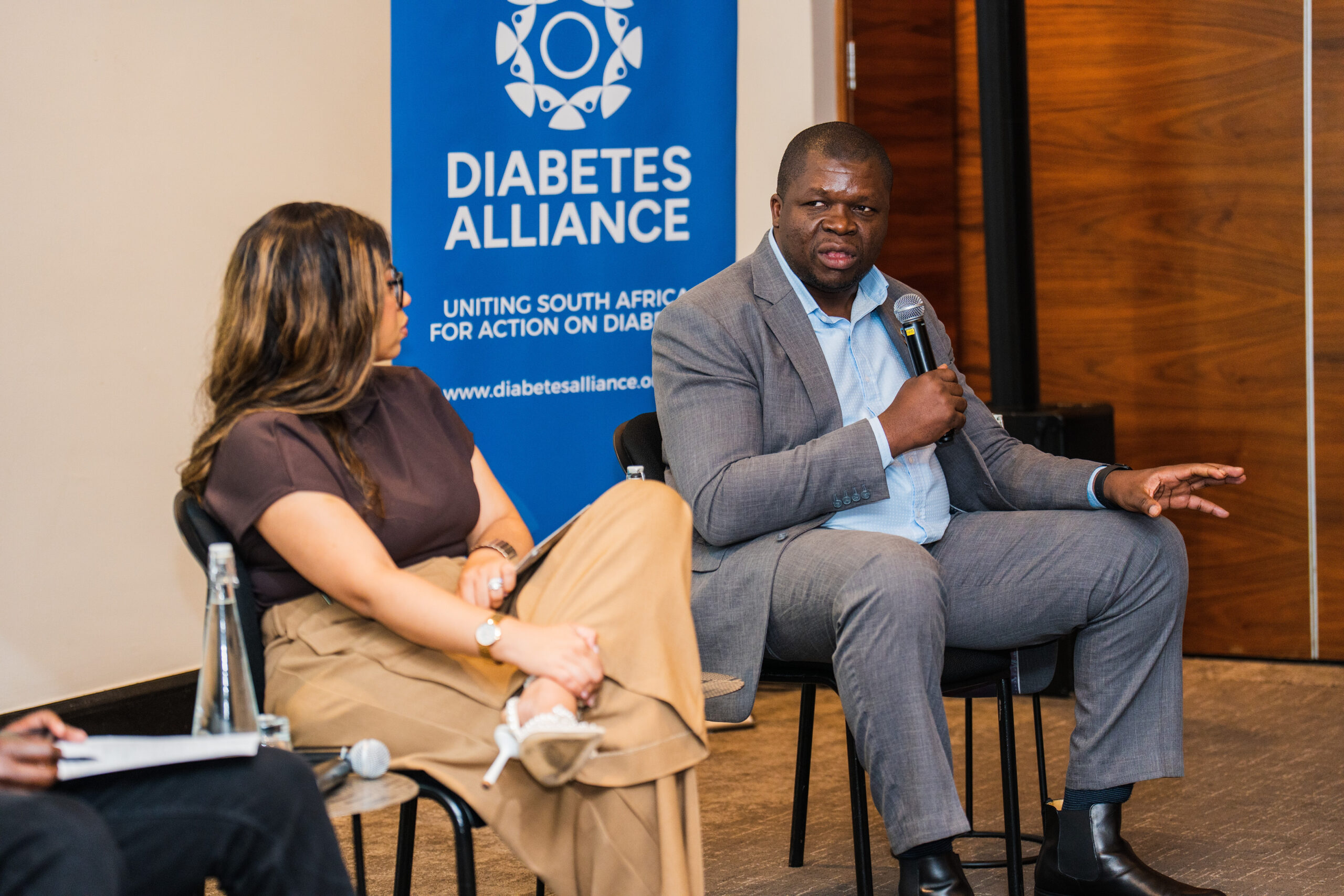
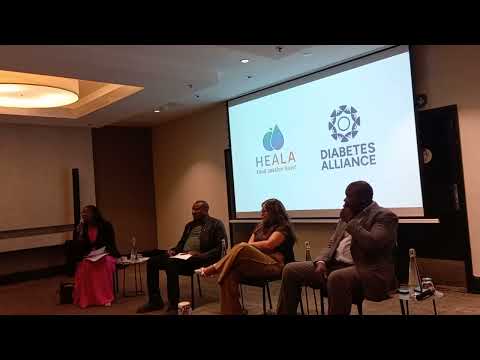
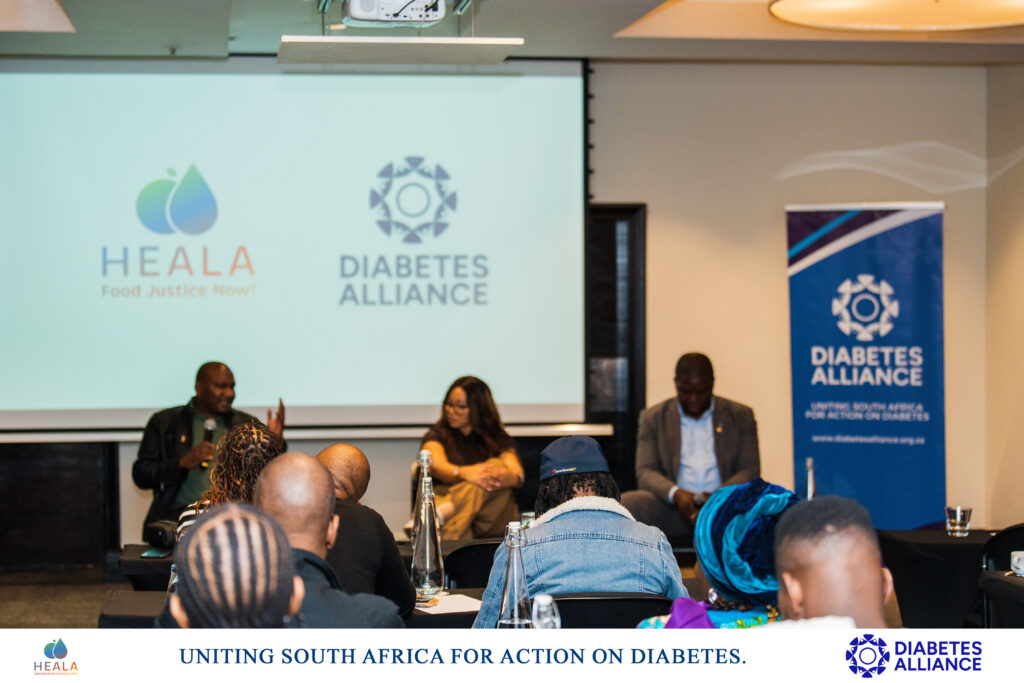
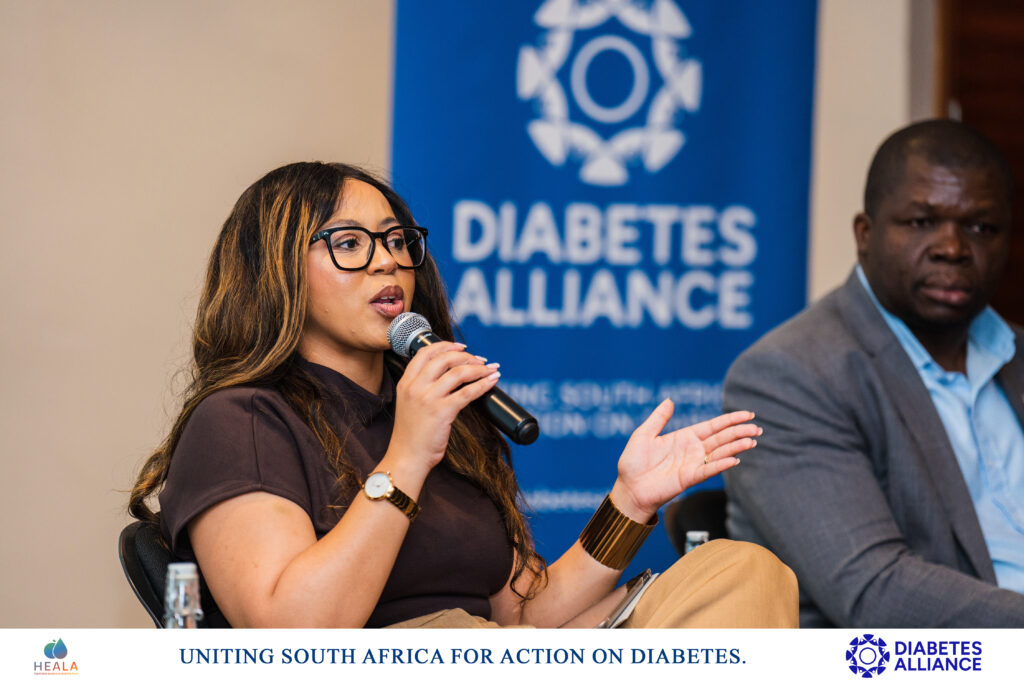
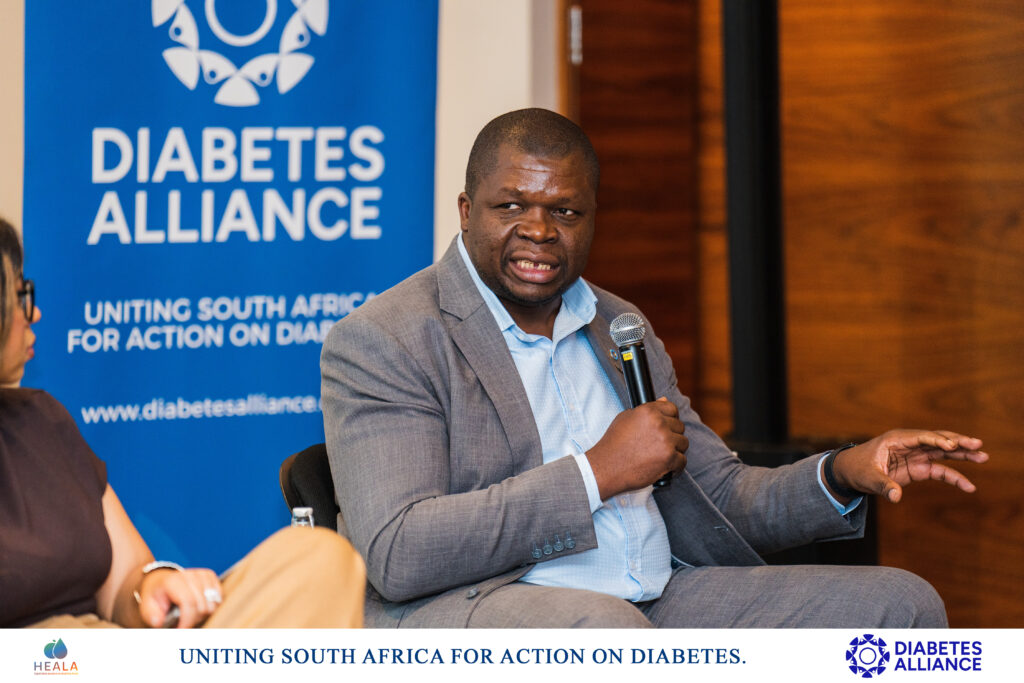
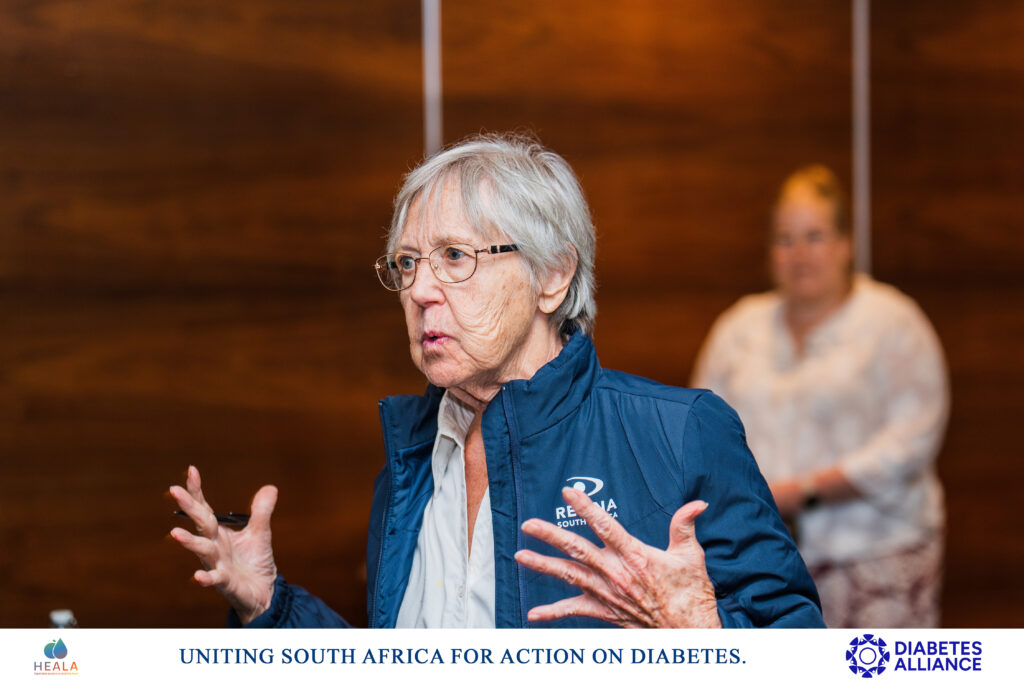
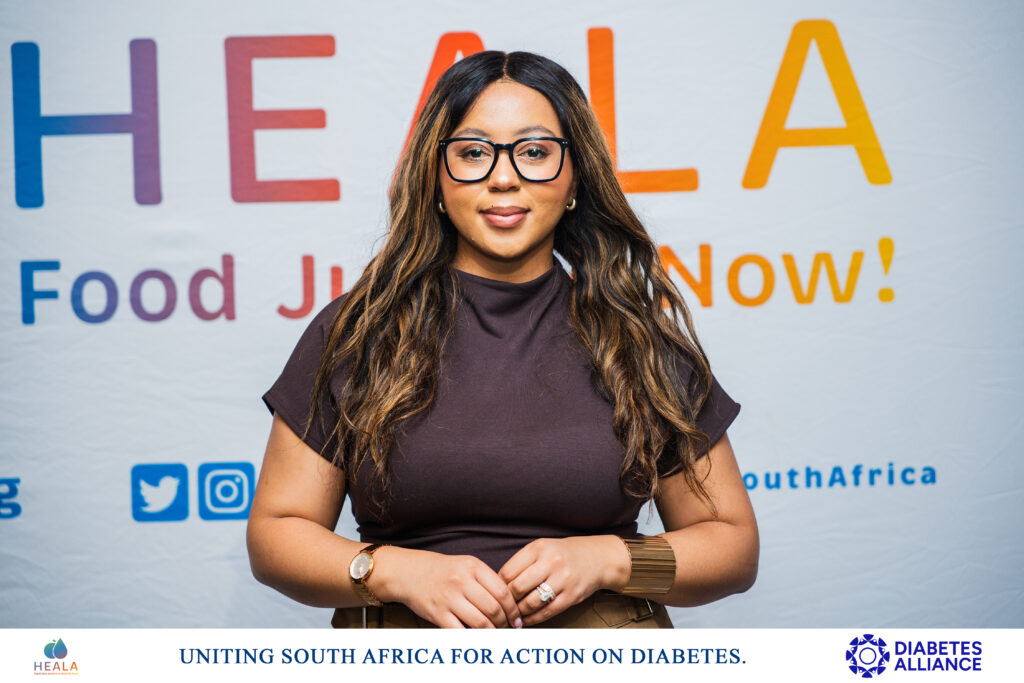
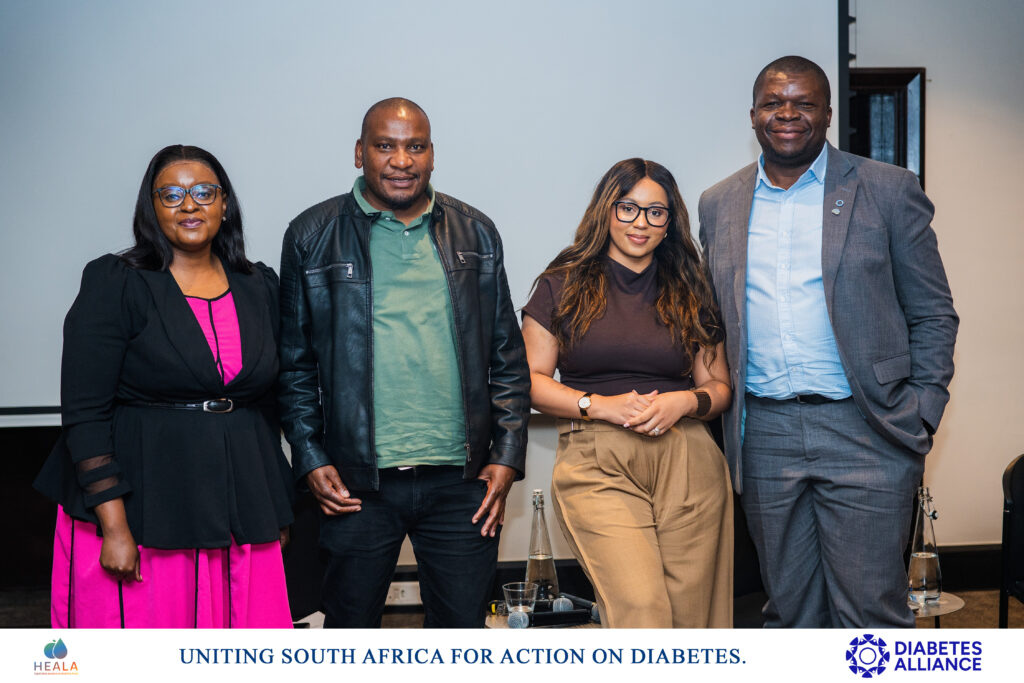
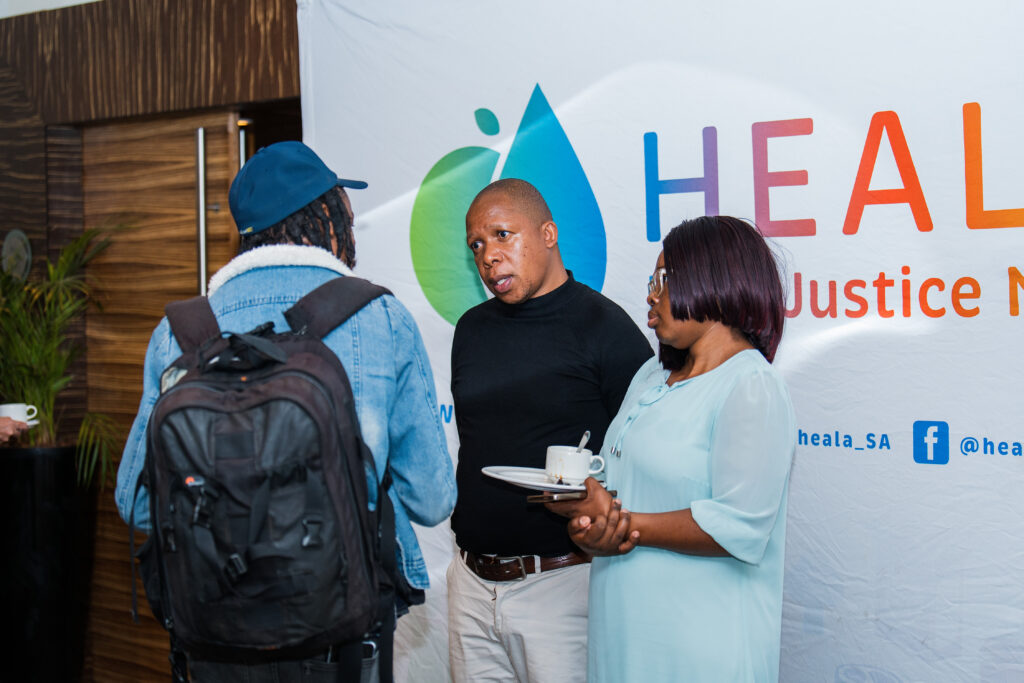
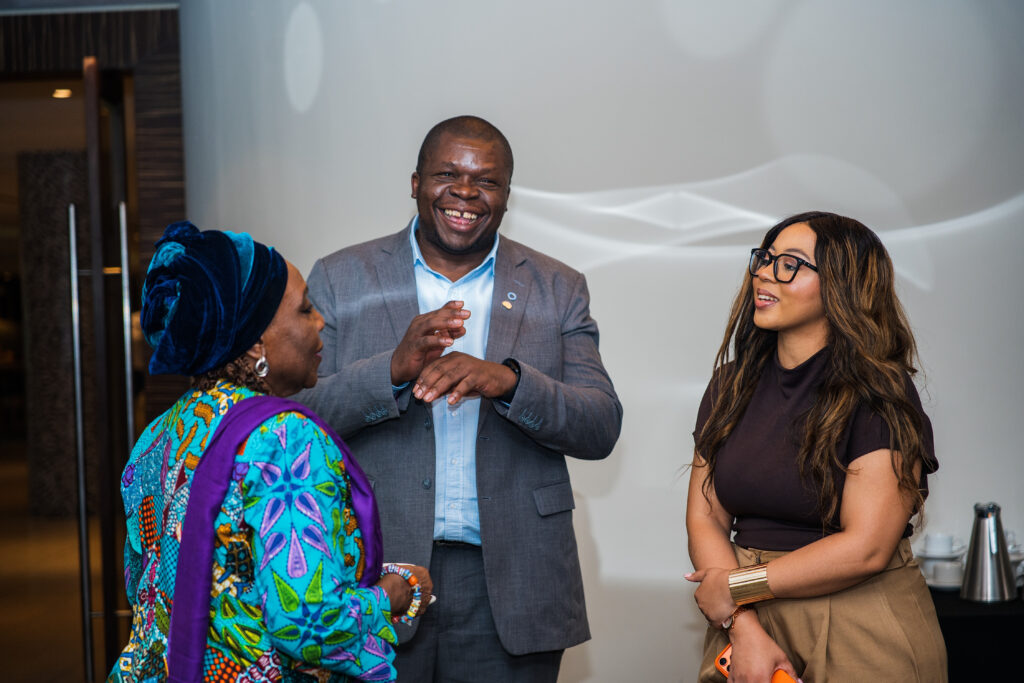
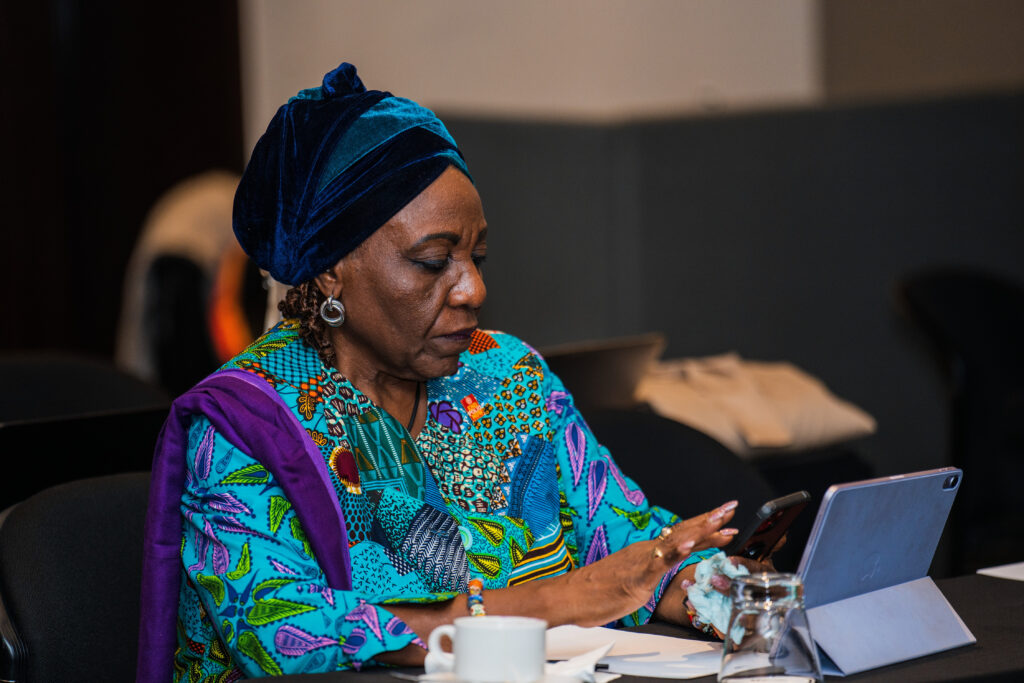
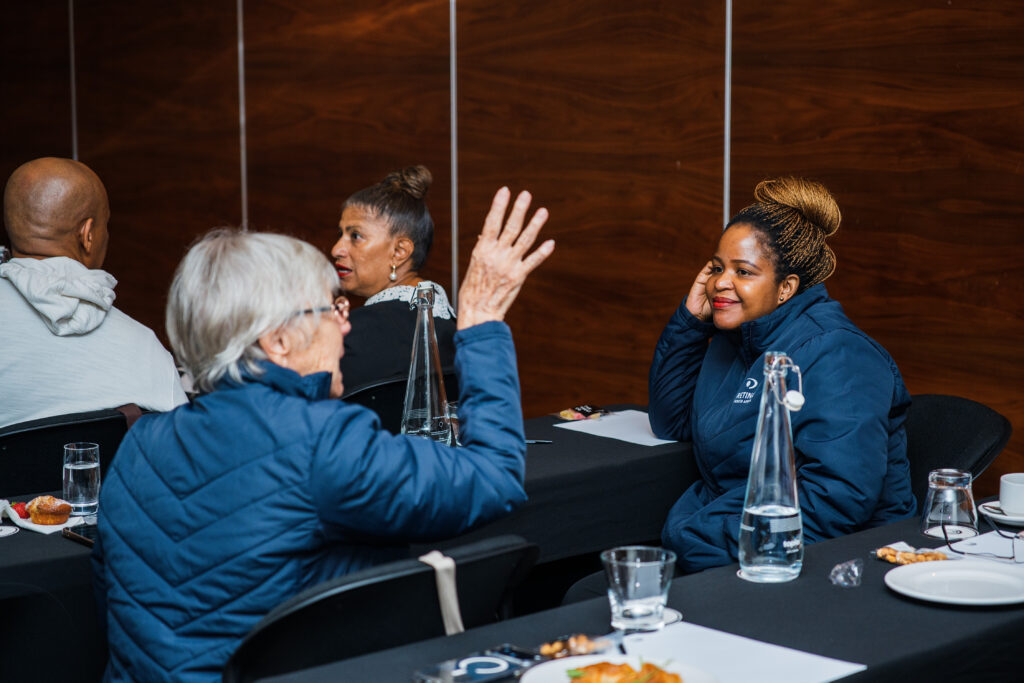
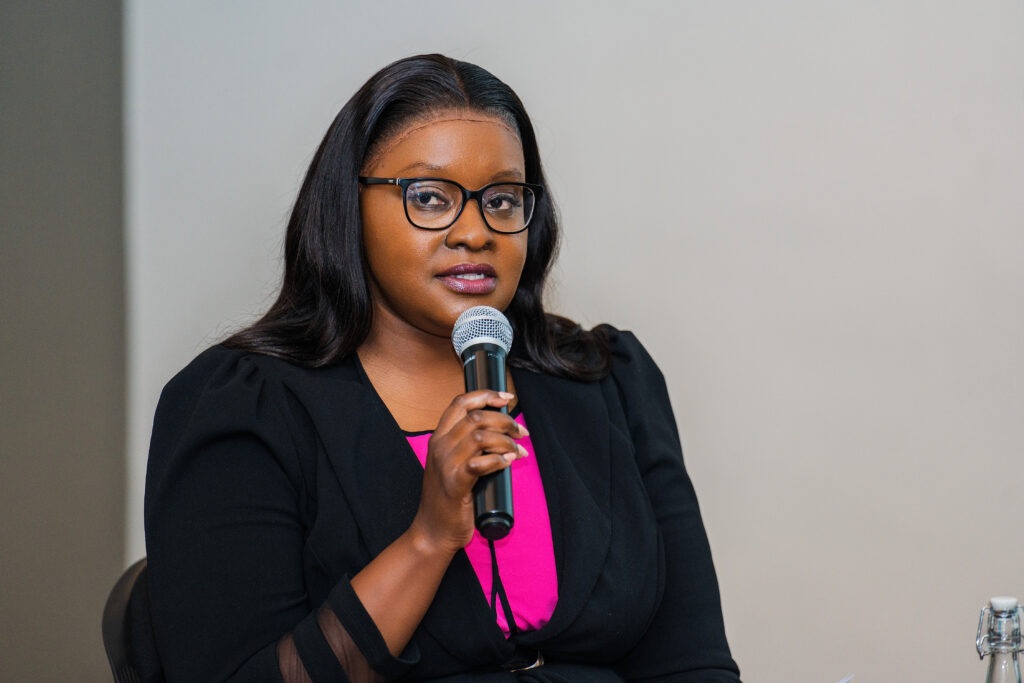
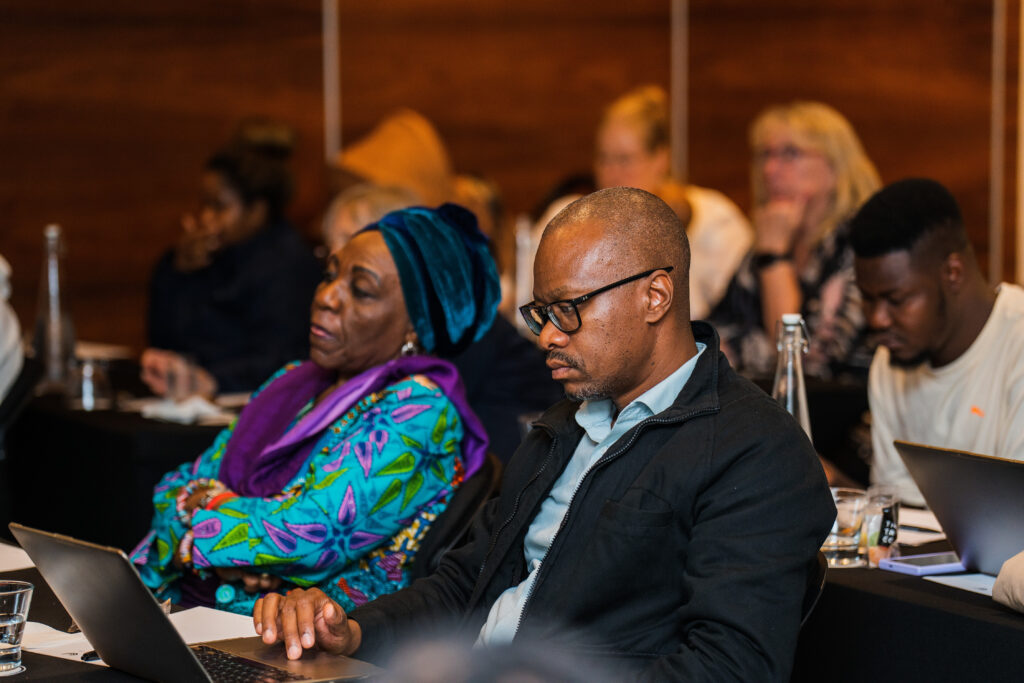
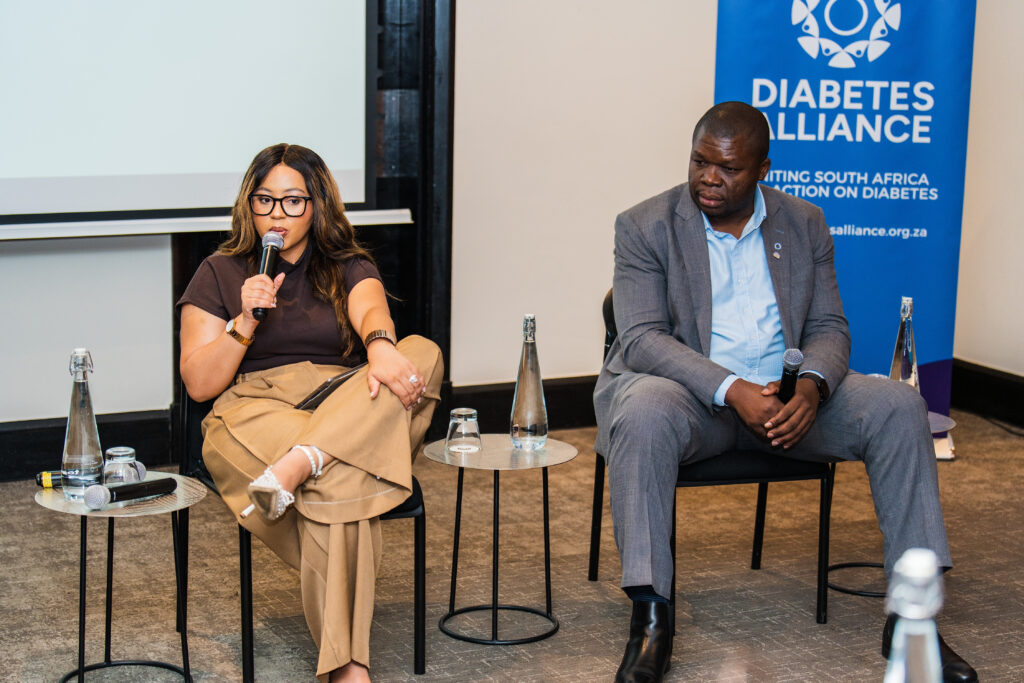
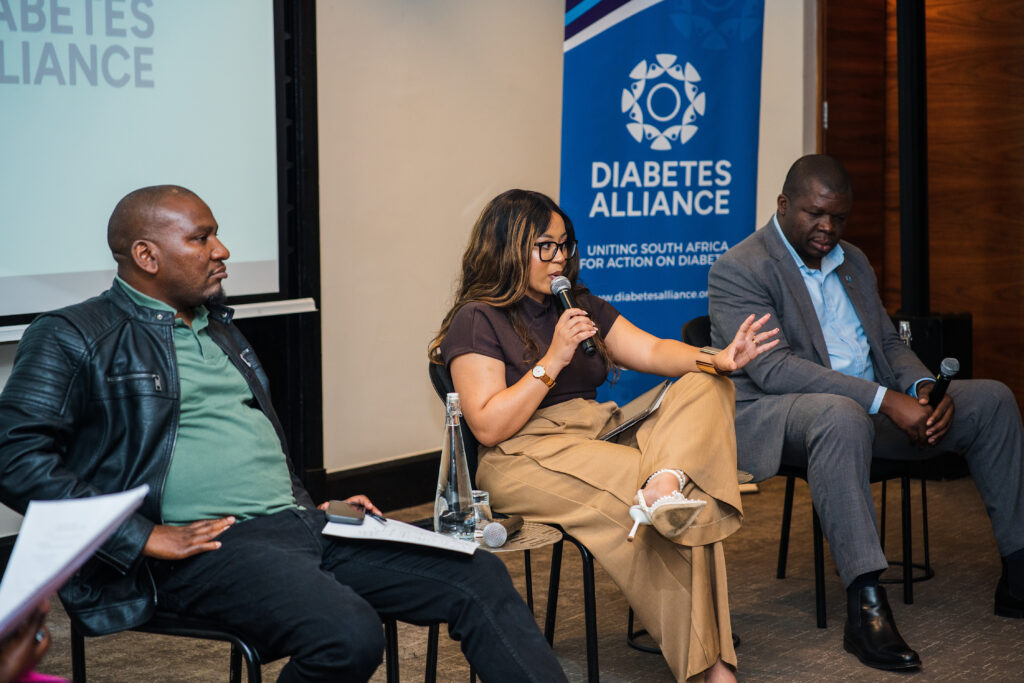
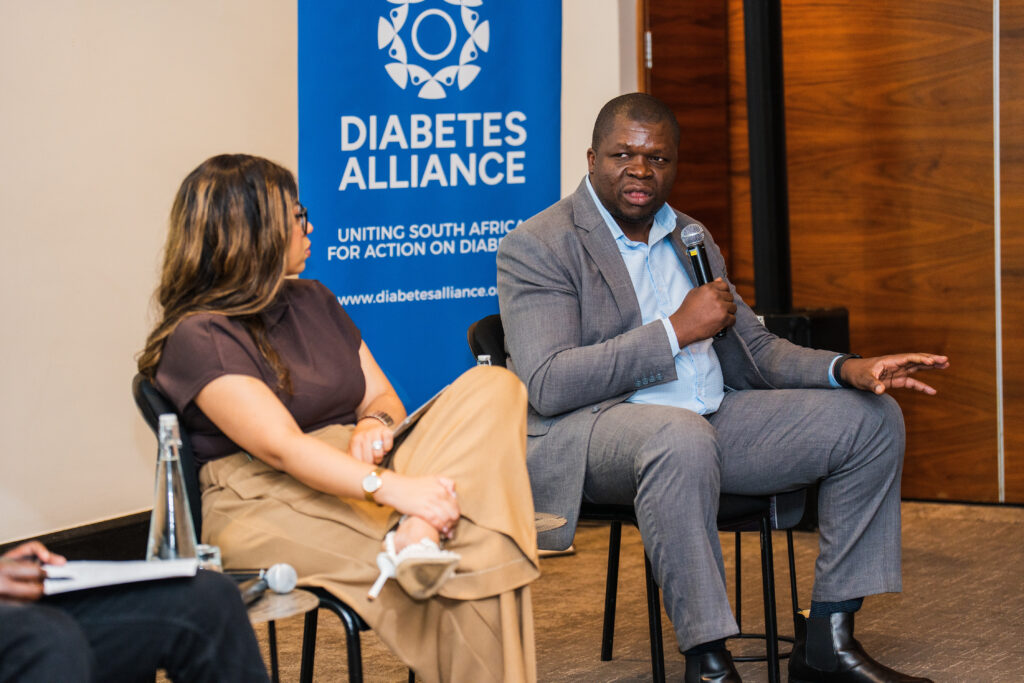
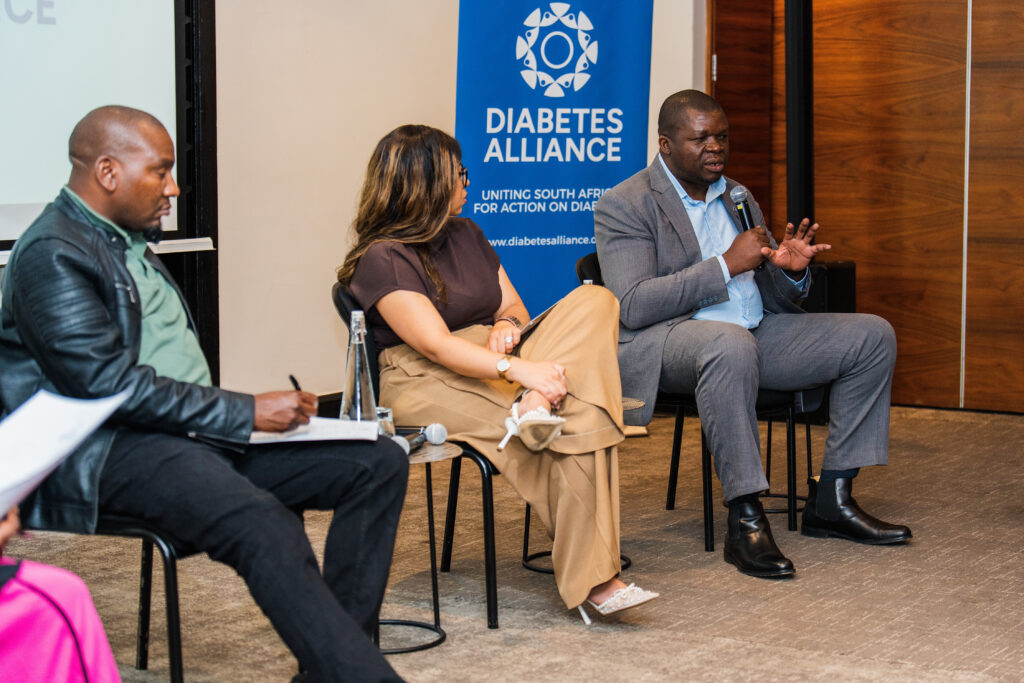
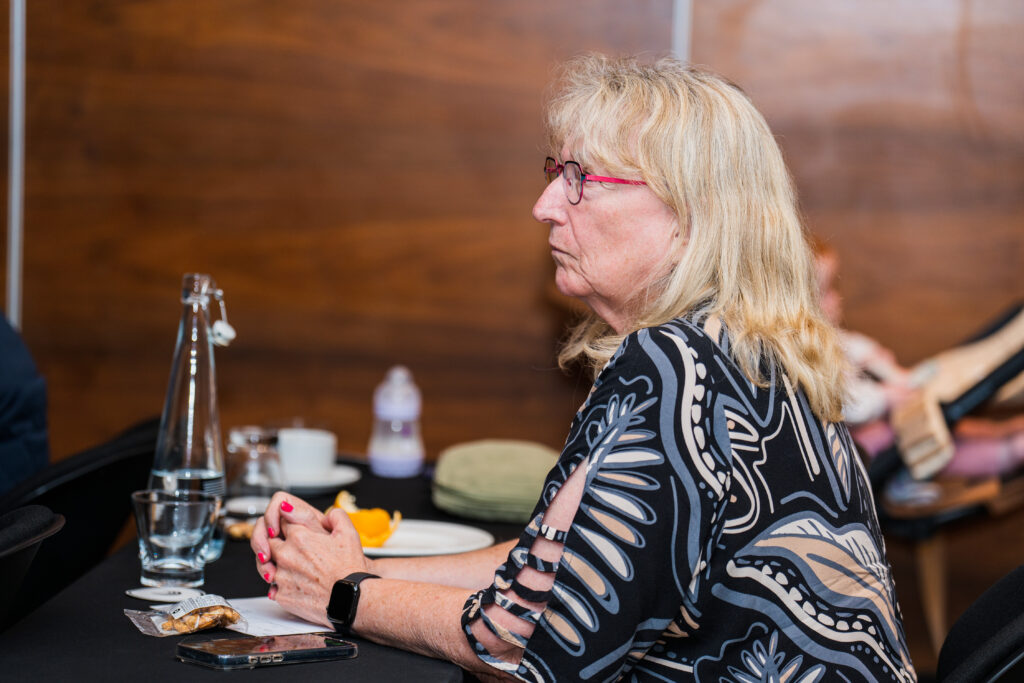
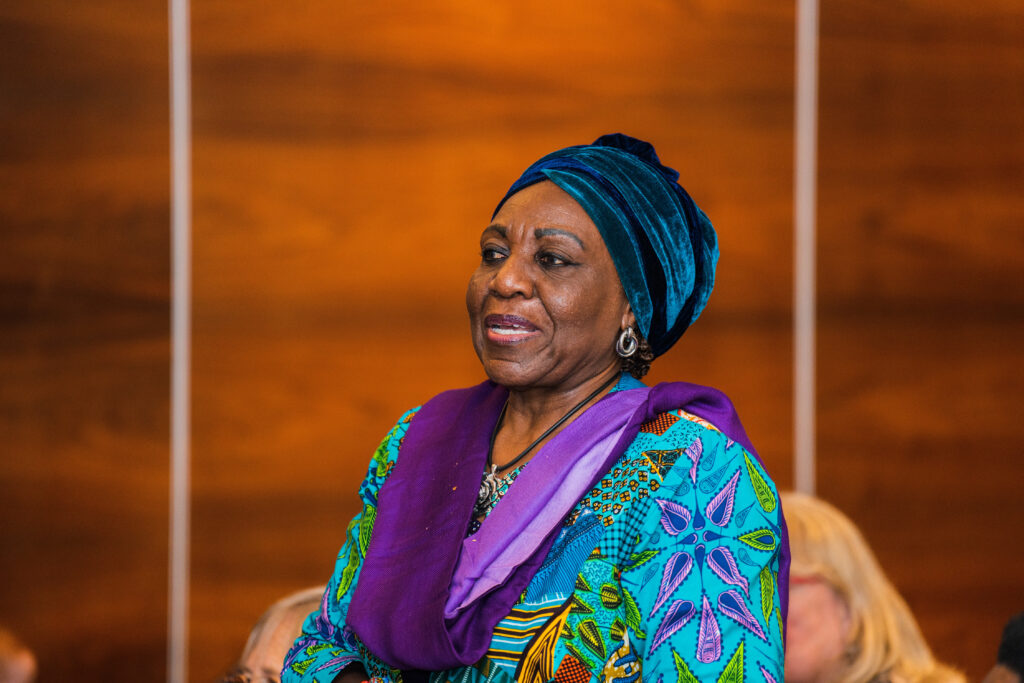
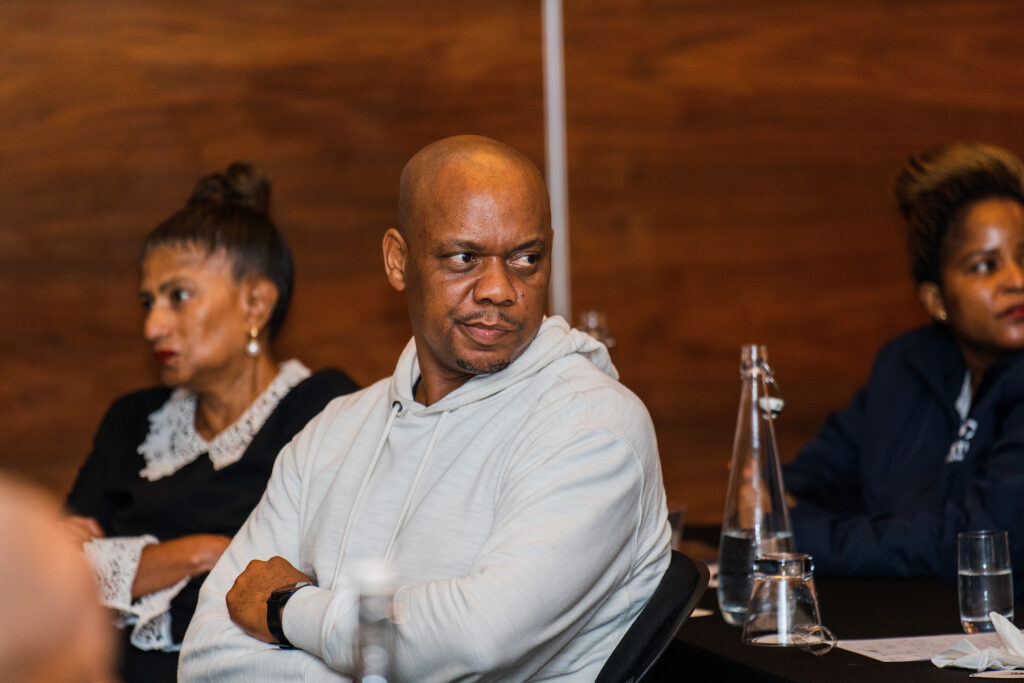
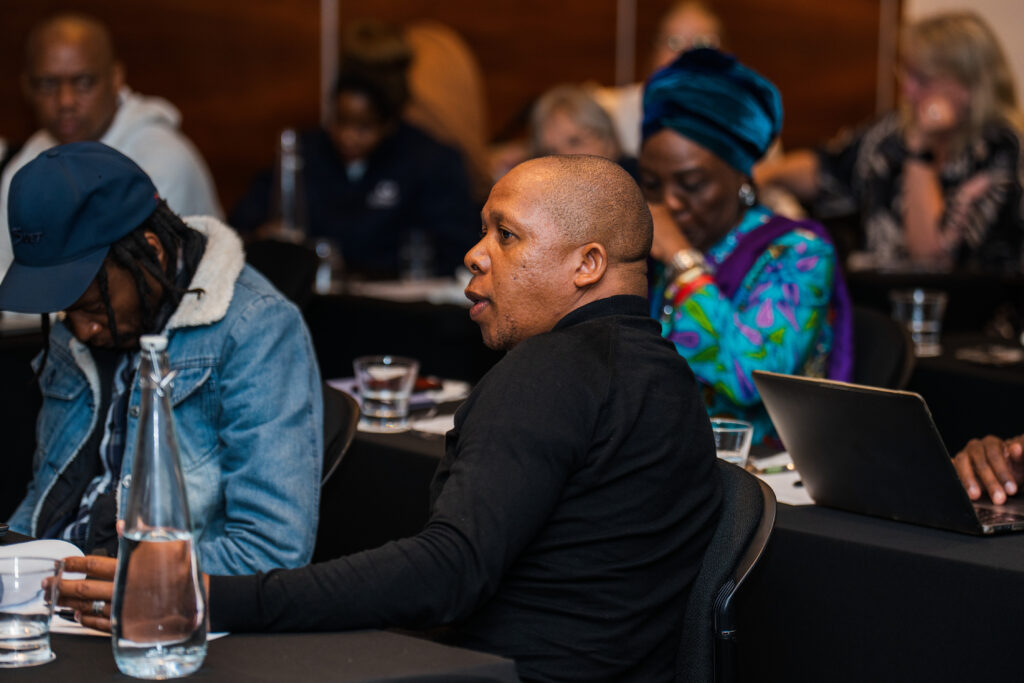
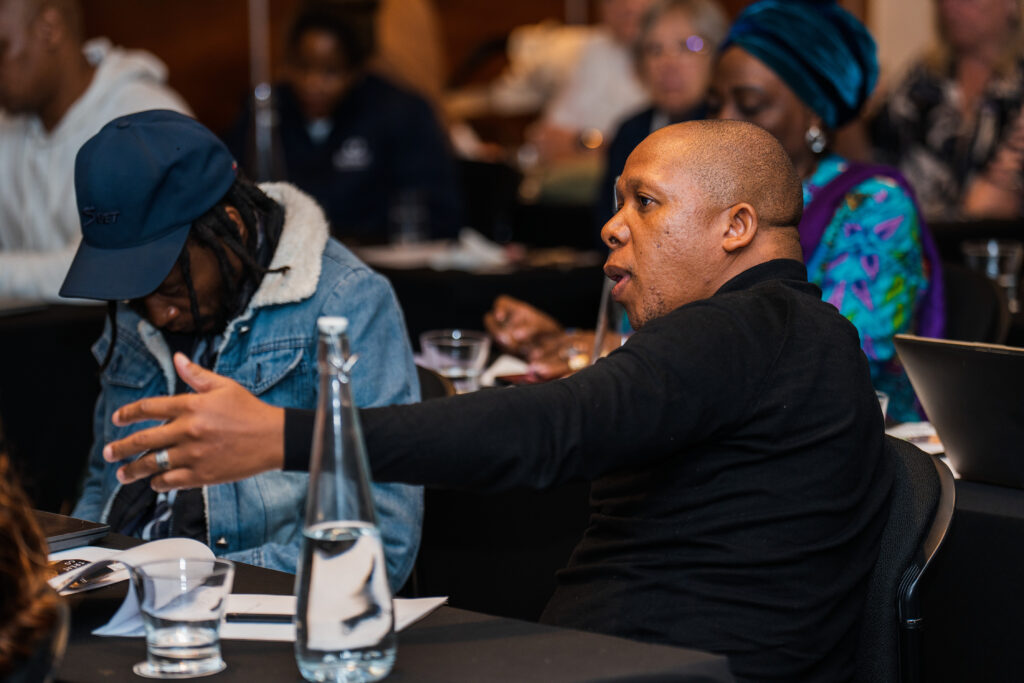
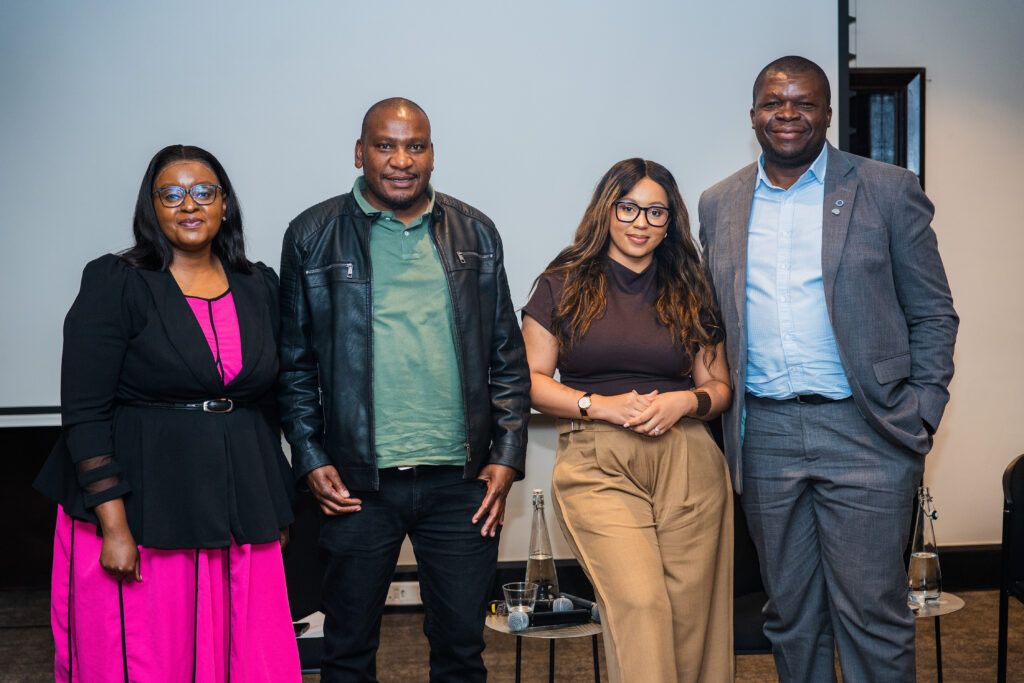
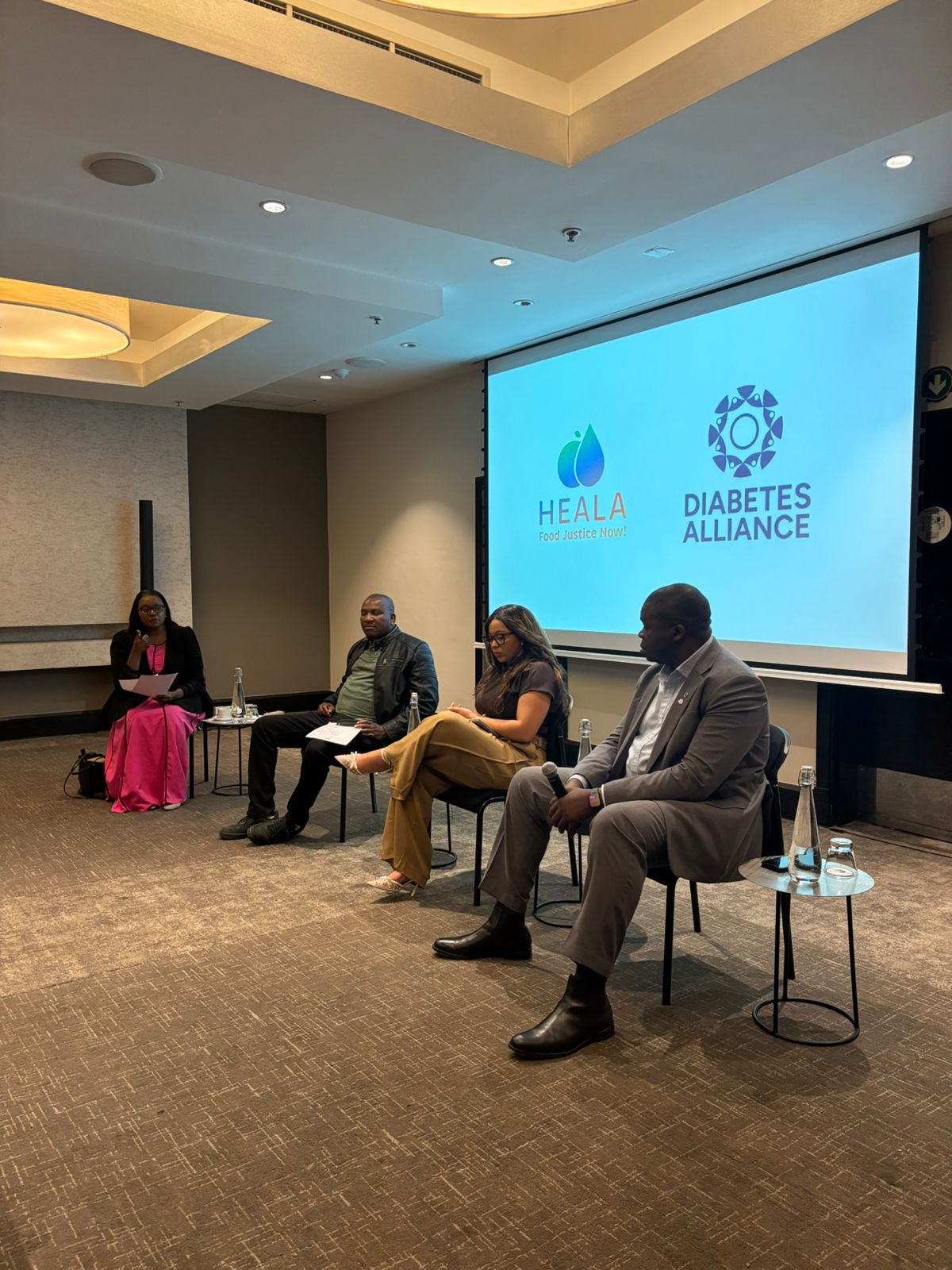
Held at the Southern Sun Hotel in Rosebank, the media breakfast event featured a dynamic panel discussion led by SABC anchor Bongiwe Zwane, alongside HEALA’s CEO, Nzama Mbalati, Dr Patrick Ngassa Piotie, Chairman of the Diabetes Alliance, as well as one of South Africa’s leading diabetes activist, Amanda Mashego.
These experts and stakeholders gathered to deliberate on the widespread implications of diabetes, which is increasingly cited as one of the world’s leading non-communicable diseases (NCDs).
Mbalati, emphasised the vision outlined in the Johannesburg Declaration – a commitment to ensuring that every South African, irrespective of income, geography, gender, or health status, has access to equitable diabetes prevention and care.
“Following last year’s Diabetes Summit, we want to keep the momentum going. The commitments made in the declaration must not be allowed to gather dust,” Mbalati asserted.
Mbalati further highlighted the need for collective society efforts, from government to academia, to confront the diabetes crisis decisively.
Yet despite years of advocacy, government policies and interventions still lag significantly. Experts attending the panel highlighted the urgent need for greater empowerment and support for individuals living with diabetes, with Dr Ngassa Piotie, pointing out that the education given to medical students is inadequate when it comes to understanding the complexities of diabetes management. “There is a danger that we may repeat the same mistakes we made with HIV/Aids treatment. We need to empower communities and ensure that the next generation of healthcare professionals is well-equipped to manage diabetes,” laments Dr Ngassa Piotie.
While there has been a notable decrease in diabetes-related fatalities, from 95,000 in 2021 to just over 24,000 in 2024, the burden of diabetes continues to escalate, posing significant threats to public health and economic stability in South Africa. Both Dr Ngassa Piotie and Mashego, whose diagnoses in 2020 spurred her to take a keen interest in advocacy work, echoed the sentiment shared by other panelists that more proactive measures and education are vital.
Despite having found new and innovative ways to contribute positively to the discussions around diabetes, Mashego expressed her frustration over the lack of support available to young individuals living with diabetes.
“Sometimes I wonder what the future looks like for young people. I am angry, and my anger stems from the fact that when I was diagnosed in 2020, I faced the most challenging time of my life. I had to educate myself in real time. Sometimes when young people contact me, I am confronted by the burdens they face daily,” she shared passionately.
Mashego reveals that she is particularly concerned about young individuals forced to navigate their diabetes journeys alone, often without adequate familial or governmental assistance.
Her experience mirrors a broader issue plaguing young diabetics—many find themselves self-educating on managing their condition amidst societal stigma. “I had to deal with nurses who would just give you insulin without explaining anything. Some nurses hand you a handful of insulin, and for the next six months, you have to figure things out by yourself. That is why I am angry due to the many unfulfilled government promises,” she lamented, illustrating the pressing gap in education and support within the healthcare system.
This conversation served not only as a forum for discussion but as a rallying cry for urgent collective action against diabetes in South Africa. As stakeholders continue to push for accountability and reforms, the impact of diabetes on individuals and the healthcare system remains a poignant reminder of the work yet to be done.
Mbalati further stresses the importance of active, rather than passive activism, which he says is needed to move the country and the government towards a more practical approach to stemming the tide against the diabetes scourge.
“We cannot accept being satisfied with doing the bare minimum. Another thing is the private sector. We keep talking about the public sector, but the private sector also has a role to play. Also, people living with diabetes need to have a seat at the table when policies are being developed,” Mbalati concludes